
Table of contents
As we grow older or live with a disability, the world can feel both full of possibility and full of risk. That’s true for seniors in retirement communities and adults with developmental disabilities at home or in care facilities. Most of us want safety first. Then we want independence. We want dignity. And we want peace of mind.
This is where professional security services step in. They help protect people who may be overlooked. They work alongside adult protective services (APS) and caregivers to give every vulnerable adult a safer, calmer life.
What Are Adult Protective Services and Why Do They Matter?
Every community has systems meant to protect adults who may be at risk. Adult protective services are teams, often government-run, that respond when someone may be harmed, neglected, abused, or unable to care for themselves.
When a case is reported, APS investigations begin. Workers talk with the adult, family members, and caregivers. They check for signs of harm. The goal is always to make sure the adult is safe and supported.
APS also works with adult protective service workers who monitor cases over time. These workers check on vulnerable people regularly to stop harm before it gets worse.
But APS cannot be everywhere all the time. This gap is where professional security services become a strong partner.
What Professional Security Services Bring to the Table
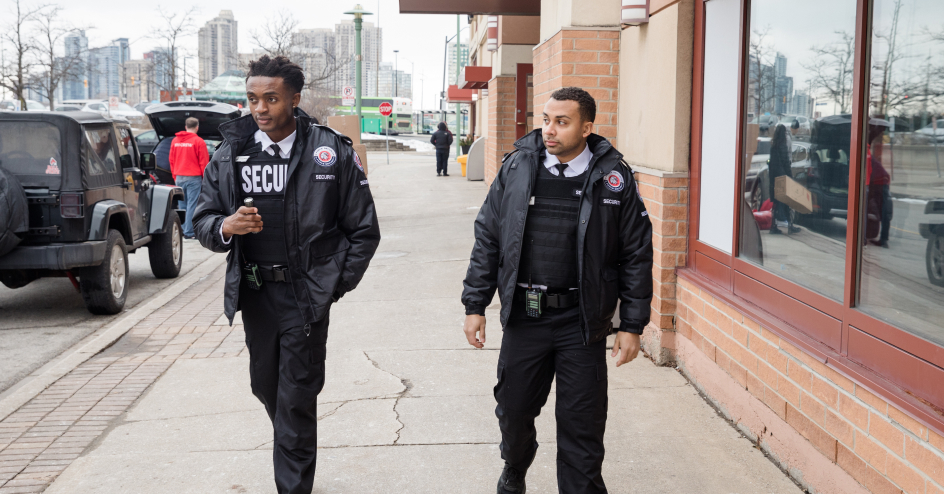
Professional security is no longer about standing at an entrance and checking badges. Today’s trained officers do more. They help observe, support, respond, and protect adults with higher risk, especially seniors and disabled adults who may struggle with mobility, memory, or hearing.
Here’s how they make a difference:
Supportive Safety in Residential Communities and Homes
In places like retirement homes or group homes for adults with developmental disability support needs, security teams are present daily. They watch for hazards, help with wander management, and keep an eye out for unusual activity.
This is especially important for adults with cognitive impairments. Some may become confused at night or find exits and lose their way. Security staff are trained to spot this early and gently guide residents back.
Wander Management & Monitoring
One of the biggest safety concerns for adults with dementia, Alzheimer’s, or other cognitive challenges is wandering. Without supervision, someone can easily get lost or hurt.
Security teams help monitor residents. They notice patterns—like someone trying doors at night—and respond. They don’t just lock things down hard. They focus on trust and gentle redirection so residents feel safe, not trapped.
Access Control and Visitor Screening
Open doors mean open risk. But locking people away is not the answer either.
Professional security staff manage entry points carefully. They check visitors. They make sure people entering the building belong there. In some places, digital log-in systems help them track who comes and goes.
This prevents unauthorized access and reduces the chance of abuse or strangers entering vulnerable living spaces.
Emergency Response and First Aid
Security officers often have first aid and CPR training. That means when someone falls, faints, or has a sudden health issue, trained help is right there.
Instead of waiting helplessly for 911, an on-site security professional can start life-saving measures right away. For a senior who has fallen or a person with a disability who is injured, those first moments matter.
Regular Patrols and Safety Audits
Professional security doesn’t wait for problems to show up. They look for issues before anyone gets hurt.
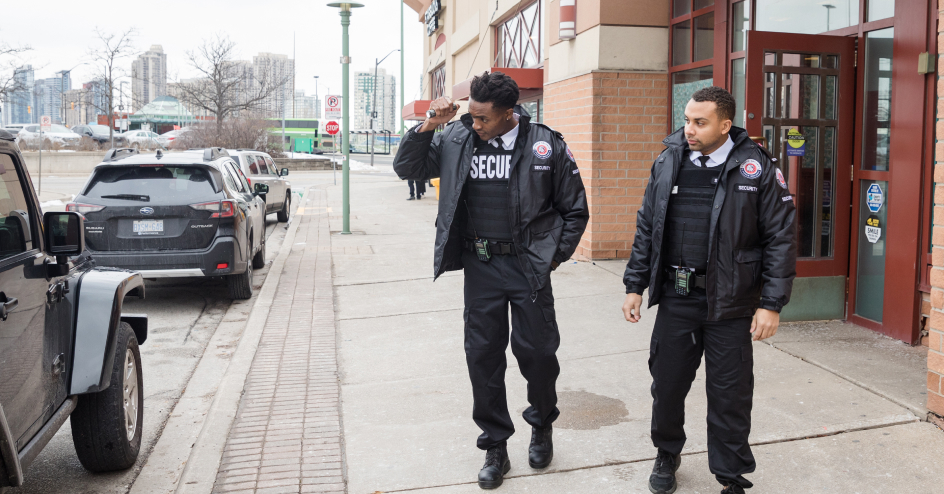
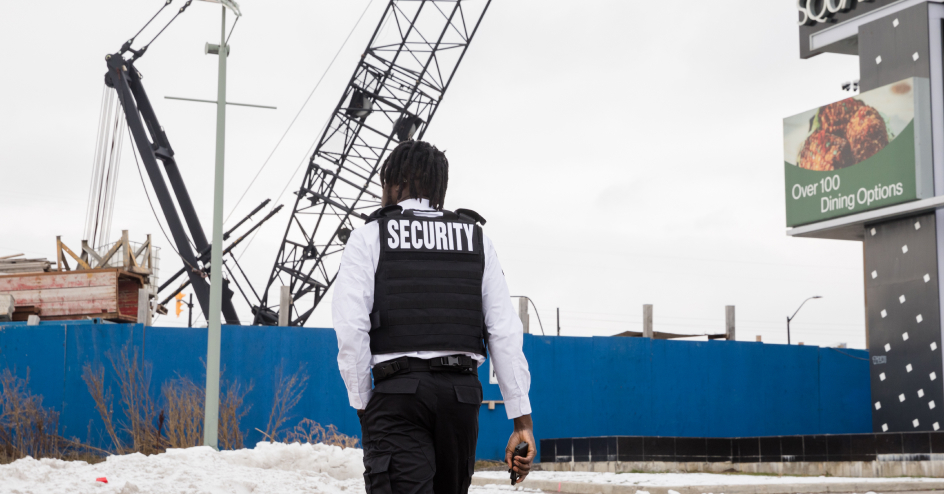
They patrol halls, check lighting, open walkways, and make sure exits are clear. They watch for slipping hazards and check public areas for risks. This reduces theft, stops vandalism, and lowers the chances of accidents.
1-on-1 Resident Support
It might surprise people, but security teams can also be companions. They help guide an adult across a hallway. They may talk with a resident during a slow moment of the day. They offer calm voices and a friendly presence.
Some security officers become people whom residents trust. They are part protector, part support person—someone who sees a need and meets it, not just someone who responds to trouble.
Risk Management for Adults
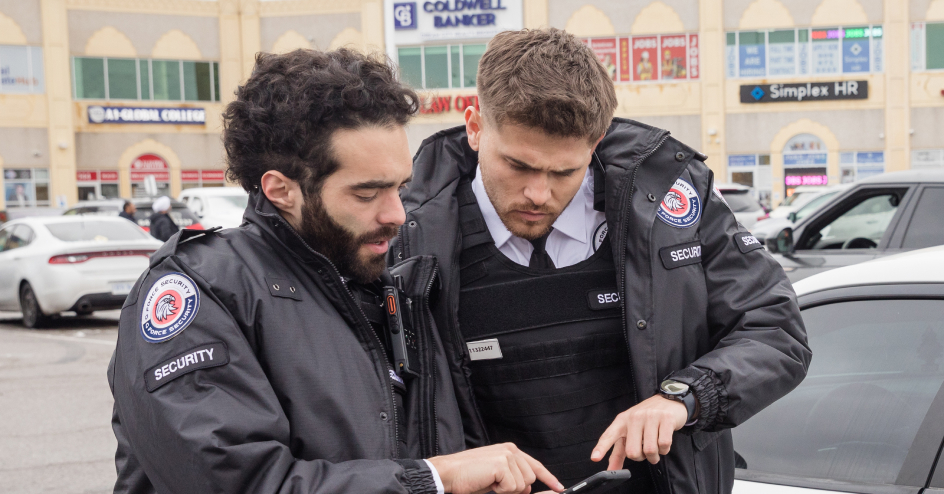
One of the strongest roles of any security service is planning ahead. They work with social workers, caregivers, and APS teams to identify risks early.
Together, they make plans for supervision, visitor policies, and times of the day when an adult might be most vulnerable.
This is real risk management—not worry, but active planning to reduce danger.
Why Their Role Matters So Much
When professional security works with APS monitoring services, APS-certified security, and other caregivers, the effect is huge.
✔ Families feel relief knowing eyes and ears are present for their loved ones.
✔ Seniors live with more freedom because someone is watching for danger.
✔ Adults with disabilities get the supervision and support they need without feeling watched too closely.
✔ Care facilities build a safer reputation and reduce crisis situations.
This combination of trained professionals—APS and security teams—creates a stronger safety net than either could alone.
Technology and Human Care Together
Security teams use tools like GPS systems, monitoring software, and alerts for unusual behavior. But technology is only part of the equation.
A human eye, a listening ear, and a caring voice make the real difference.
Technology helps them notice. People help them act.
Conclusion
Safety for seniors and adults with disabilities is not a small task. It takes systems, people, training, care, and attention. When adult protective services work alongside trained professional security teams, the outcome is stronger protection, earlier responses, and greater peace of mind for families.
Professional security services are not there to replace care staff or APS workers. They are another set of critical eyes and hands in the world—watching, helping, supporting, and stepping in when life gets hard.
Everyone deserves a life where safety and dignity go hand in hand. And together—private security, APS teams, families, and caregivers—we make that possible.
FAQ: What People Want to Know
1. What does APS do in simple terms?
Adult Protective Services (APS) is like Child Protective Services, but for vulnerable adults. They act as a safety net for seniors and adults with disabilities.
What APS Does:
- Receives Reports: Takes calls about abuse, neglect, or exploitation
- Investigates: Sends trained workers to check on at-risk adults, including self-neglect cases
- Connects to Services: Offers help like home care, medical support, meals, or legal aid
- Protects Independence: Supports adults living safely at home whenever possible
Key Principles: Most help is voluntary, confidential, and aimed at safety and independence.
If you suspect abuse or neglect, contact your local APS office.
2. Can security prevent abuse on its own?
No, security alone cannot prevent abuse. Guards, surveillance, and access control help deter risks and protect physically, but they work best as part of a bigger plan.
Key Points:
- Deterrence: Visible security reduces immediate risks
- Limitations: Security staff cannot be everywhere or solve complex social issues
- Holistic Approach: Policies, training, victim support, community awareness, and legal action are needed
Preventing abuse requires addressing root causes, educating communities, and supporting victims—not just relying on security measures.
3. Do security teams need special training?
Yes, security teams need specialized training. Working on the front lines of safety, they face complex risks—physical, digital, and regulatory.
Training Covers:
- Core Skills: Communication, de-escalation, situational awareness, first aid, legal limits
- High-Risk Scenarios: Threat response, crowd control, access management, defense tactics
- Modern Threats: Cyber-physical awareness, surveillance technology
- Regulations: Site-specific rules and compliance
Why It Matters: Reduces risk, boosts confidence, meets client expectations, and strengthens overall safety.
4. What is “high-risk adult supervision”?
High-Risk Adult Supervision means continuous, active monitoring when an activity carries a high risk of injury. A responsible adult must be present at all times to manage and reduce potential dangers.
Key Points:
- Critical Safety Measure for high-risk environments
- Constant Oversight to prevent accidents
- Purpose: Reduce immediate or likely harm
5. How do families benefit from security services?
Security services support families by improving safety, monitoring homes, and reducing risks to both people and property.
Key Benefits:
- Crime Deterrence: Reduces break-ins, theft, and vandalism
- 24/7 Monitoring: Continuous oversight through alarms and CCTV
- Emergency Response: Quick reaction to incidents and coordination with authorities
- Peace of Mind: Families feel safer
- Access Control: Visitor screening and controlled entry
- Child and Senior Safety: Extra protection for vulnerable family members
- Insurance Benefits: Potential for reduced insurance costs
Security services provide practical protection that helps families maintain a safer living environment.
Stay updated with expert security tips and insights from G Force Security.
Other Blogs
- G Force Security®
- G Force Security®
- G Force Security®
- G Force Security®
- G Force Security®
- G Force Security®