
Table of contents
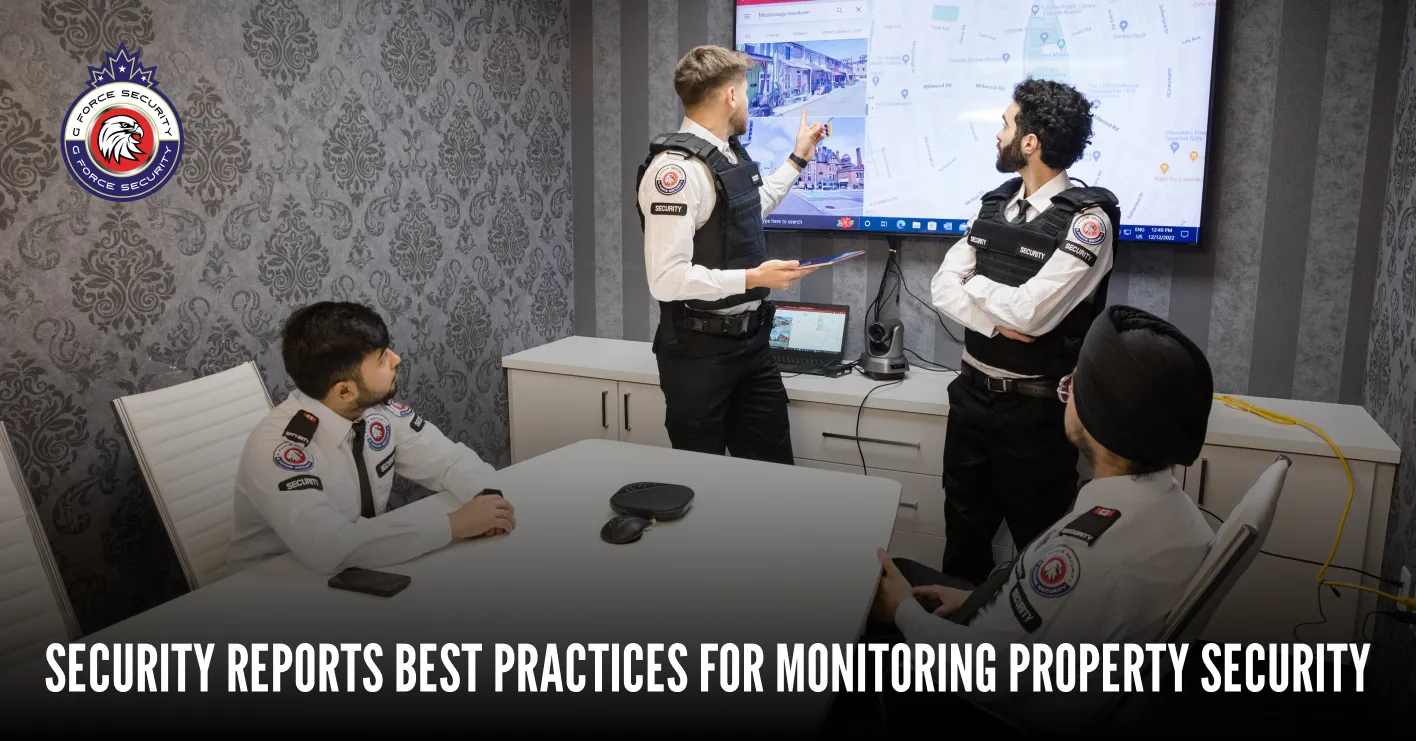
When you are responsible for a property, you already understand that security is not limited to guards, cameras, or access systems. What truly protects your investment is how well those elements are tracked, documented, and evaluated over time. This is where property security monitoring becomes the backbone of informed decision making. Without structured monitoring property security processes, even the strongest physical measures lose effectiveness.
Improve decision making with Security Guard Services that track, document, and analyze every activity.
Security reports transform daily activity into actionable insight. When written correctly, they allow you to identify vulnerabilities, recognize patterns, justify budget decisions, and demonstrate due diligence. Whether you manage a retail plaza, residential building, office complex, or vacant site, your ability to rely on accurate security monitoring reports directly impacts safety outcomes.
Why Monitoring Property Security Requires More Than Observation
You may have guards on site and cameras running continuously, yet without a disciplined security reporting system, incidents become isolated events rather than data points. Monitoring property security is not just about seeing what happens. It is about recording what matters, when it happened, how it was handled, and whether it reveals a broader risk.
Property surveillance monitoring allows you to connect small incidents such as door tampering, loitering, or access violations into patterns. Over time, these insights form the foundation of a strong property security assessment. Effective security reporting ensures that nothing relies on memory or assumption.
The Role of Security Monitoring Reports in Risk Reduction
Security monitoring reports serve as your official record of activity across a property. They validate guard performance, confirm patrol coverage, and document compliance with established procedures. When you rely on accurate security incident reports, you reduce liability and strengthen accountability.
Lower liability using Operations Centre Monitoring that turns reports into risk insight.
For commercial property security monitoring, reports help you understand tenant behavior, after hours activity, and high risk zones. For residential property security monitoring, they provide reassurance to occupants while helping you track recurring safety concerns.
At G Force Security, structured security monitoring reports are treated as strategic tools rather than administrative paperwork. This approach ensures that every report contributes to long term property protection.
Best Practices for Security Report Writing That Actually Work
Security report writing should never be rushed or vague. You need reports that are factual, consistent, and easy to analyze. Security report best practices focus on clarity, relevance, and accuracy.
Reports should answer specific questions. What happened. Where it happened. When it occurred. Who was involved. What actions were taken. Why the incident matters to overall property safety monitoring.
A strong security report template helps standardize information so nothing important is missed. Over time, this consistency allows for reliable property security tracking and trend analysis.
Security Monitoring Best Practices for Daily Operations
Effective security monitoring best practices start with disciplined patrol routines and accurate documentation. You need patrol data that reflects reality, not assumptions. Security patrol reporting confirms that guards are following routes, checking vulnerable areas, and responding appropriately.
Maintain verified coverage through Patrol Security Service with full reporting.
Monitoring commercial properties requires attention to access points, delivery schedules, and public interaction zones. Monitoring vacant properties demands a different focus, emphasizing perimeter integrity, unauthorized access attempts, and environmental hazards.
G Force Security emphasizes adaptive security monitoring techniques that align reporting priorities with the specific risks of each property type.
Two Critical Elements of an Effective Security Reporting System
A strong security reporting system relies on two foundational elements that support all monitoring efforts.
First is consistency. Reports must follow the same format, terminology, and level of detail every time. Inconsistent reporting weakens your ability to compare data and identify trends.
Second is accountability. Every security activity report must be traceable to a specific guard, time, and location. This strengthens oversight and improves security performance monitoring.
How Property Surveillance Reports Strengthen Decision Making
Property surveillance reports give you visibility into areas you cannot personally monitor. They provide documented evidence of activity across shifts, days, and seasons. Over time, these reports highlight property risk monitoring trends such as repeated access violations or increased after hours movement.
When surveillance reports are paired with patrol data, you gain a complete picture of how your security measures perform in real conditions. This allows you to refine property security procedures and improve response planning.
At G Force Security, property surveillance tracking is integrated with patrol reporting to create a unified security monitoring process.
Monitoring Vacant Properties Without Gaps
Monitoring vacant properties requires heightened awareness because these sites attract trespassing, theft, and vandalism. Security monitoring checklist items for vacant sites should focus on perimeter condition, door and window integrity, lighting functionality, and signs of unauthorized entry.
Prevent trespassing through Mobile Security Patrols with gap-free documentation.
Security patrol reporting becomes especially critical here. Accurate documentation ensures that small issues are addressed before they escalate into costly damage. Property safety monitoring for vacant locations must also include environmental risks such as water leaks or structural hazards.
Commercial Security Reporting for Active Business Environments
Commercial security reporting must balance safety with operational continuity. You want detailed security activity reports without disrupting tenants or customers. Effective commercial security reporting documents incidents discreetly while maintaining professionalism.
Security report guidelines for commercial properties emphasize neutral language, objective observations, and clear timelines. This protects all parties while supporting property protection monitoring goals.
Protect tenants and operations using Commercial Security Services built for active sites.
G Force Security applies these guidelines to ensure reports support both safety and business continuity.
Residential Property Security Monitoring and Resident Trust
Residential property security monitoring carries an added responsibility. Residents expect transparency, discretion, and reliability. Security incident reports must be factual while respecting privacy.
Property security guidelines for residential environments emphasize clear communication and accurate documentation. When residents know incidents are properly recorded and addressed, trust increases.
Build resident confidence with Residential Security Services and transparent reporting.
Security report documentation also helps property managers respond to concerns with confidence and clarity.
Security Monitoring Checklist for High Performance Operations
An effective security monitoring checklist ensures nothing is overlooked. Your checklist should include:
- Patrol completion verification
- Access point inspections
- Incident documentation accuracy
- Equipment functionality checks
- Follow up action tracking
Using a checklist strengthens security monitoring best practices and supports consistent property protection report quality.
How Security Incident Reports Prevent Repeat Issues
Security incident reports are not just records. They are learning tools. When reviewed regularly, they reveal gaps in procedures, staffing needs, and environmental vulnerabilities.
Monitoring property incidents over time allows you to implement corrective actions before problems escalate. Security report management ensures that lessons learned translate into improved safety outcomes.
Security Operations Monitoring and Performance Evaluation
Security operations monitoring helps you evaluate guard effectiveness and procedural compliance. By reviewing security patrol reporting and surveillance data together, you gain insight into operational strengths and weaknesses.
Security performance monitoring supports training improvements and resource allocation. It also ensures that security monitoring system best practices are consistently applied.
At G Force Security, performance monitoring is directly linked to reporting quality, ensuring continuous improvement.
Security Reporting Practices That Support Legal and Insurance Needs
Accurate security reporting practices protect you during disputes or claims. Security inspection reports and property safety reports provide documented evidence of due diligence.
Security report writing must remain objective and factual. Avoid speculation or emotional language. Clear documentation supports legal defensibility and insurance compliance.
Property Security Audit Through Reporting Data
Security reports form the foundation of a property security audit. By analyzing reports over time, you can assess whether existing measures meet risk levels.
Support audits and claims using Security Consulting Planning backed by data.
Property security assessment becomes more accurate when supported by detailed reporting data. This allows you to justify changes to patrol frequency, technology investments, or staffing levels.
Security Monitoring Techniques That Improve Long Term Outcomes
Advanced security monitoring techniques integrate patrol reports, surveillance data, and incident analysis. This holistic approach strengthens property security monitoring and improves predictive capabilities.
Monitoring commercial properties and residential sites using unified reporting systems ensures consistency and reliability across portfolios.
Security Report Management for Growing Portfolios
As your property portfolio grows, security report management becomes increasingly important. Centralized reporting allows you to compare performance across sites and identify systemic risks.
Security monitoring reports should be reviewed regularly, not stored away. Ongoing analysis ensures continuous improvement.
The Value of Professional Reporting Standards
Professional security reporting standards separate effective security providers from average ones. Accurate documentation demonstrates commitment, accountability, and expertise.
At G Force Security, reporting standards are treated as critical operational assets rather than administrative tasks.
Security Monitoring Tips for Property Owners and Managers
You should regularly review security monitoring reports rather than relying solely on summaries. Look for patterns, repeat incidents, and response times.
Ask questions when reports lack detail. Strong security report guidelines encourage transparency and continuous improvement.
Future Proofing Property Security Through Reporting
Security challenges evolve. Reporting systems must adapt. A flexible security monitoring process ensures your property remains protected as risks change.
Investing in reporting quality today strengthens long term safety outcomes and supports sustainable property protection monitoring.
Frequently Asked Questions
Why is property security monitoring important even if I have cameras
Cameras alone do not interpret events or identify patterns. Property security monitoring ensures that observations are documented, analyzed, and acted upon. Reports turn video footage into actionable insight. Without monitoring, risks may go unnoticed until damage occurs.
How often should security monitoring reports be reviewed
You should review security monitoring reports weekly for active sites and monthly for low activity properties. Regular review helps you identify trends and address issues early. Delayed review reduces the value of reporting. Timely analysis strengthens security outcomes.
What makes a security report effective
An effective security report is clear, factual, and complete. It documents what happened, where it occurred, and how it was handled. Consistent structure supports analysis over time. Vague or incomplete reports reduce accountability.
Can security reports help reduce insurance risks
Yes security report documentation demonstrates due diligence and proactive risk management. Insurers often value detailed records when assessing claims. Accurate reports can support faster resolutions. They also help justify preventive investments.
How do I improve the quality of security reporting
Start by implementing clear security report guidelines and templates. Train guards on proper security report writing techniques. Review reports regularly and provide feedback. Continuous improvement leads to stronger property protection.
Unlock the Buzz! Click for breaking news, exclusives, and pure inspiration.
Other Blogs

- G Force Security®
- G Force Security®

- G Force Security®

- G Force Security®

- G Force Security®

- G Force Security®