
Table of contents
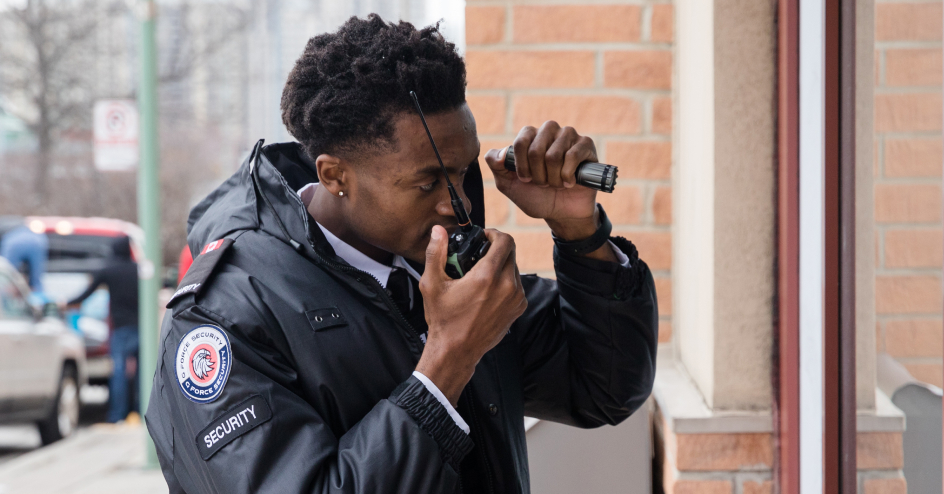
In today’s fast-paced world, safety and security are more than just precautions they are essential for protecting people, property, and organizational reputation. Protective Services Officers (PSOs) and private security personnel act as the first line of defense in workplaces, construction sites, hospitals, retail spaces, and other high-risk environments. They go beyond simply watching over assets; they actively deter threats, manage incidents, and maintain safe, controlled environments.
Modern security is no longer reactive. Organizations rely on trained personnel to prevent problems before they arise. From surveillance and access management to emergency response, PSOs and private security officers bridge the gap between public policing and specialized, site-specific protection needs.
What Protective Services Officers Do Every Day
A protective services officer wears many hats. Their main role is prevention, but that includes several important responsibilities:
- Visible deterrence: The presence of uniformed officers discourages theft, vandalism, and unauthorized access.
- Surveillance and monitoring: Using patrols, cameras, and other security technology proficiency, PSOs spot potential threats early.
- Emergency response: PSOs often serve as the first responders to incidents, coordinating evacuations, providing first aid, and contacting law enforcement when needed.
- Access control: They manage who enters and leaves a facility, from office buildings to sensitive sites like hospitals or data centers.
Beyond these daily tasks, PSOs are trained in situational awareness, conflict resolution, and incident documentation, which allows them to handle both expected and unexpected challenges effectively.
Training and Certification for PSOs in Ontario
Being a PSO is a professional career that requires proper training and certification. Protective Services Officer training in Ontario equips individuals with the knowledge to handle physical security, monitor threats, and respond to emergencies.
Completing PSO certification Ontario programs ensures officers are prepared for:
- Public safety officer roles across multiple environments
- Incident reporting and documentation for legal and operational purposes
- Effective communication and conflict resolution in high-pressure situations
- Proper shift management and operational planning
With specialized training, PSOs provide a professional level of protection that balances vigilance, safety, and customer service.
Private Security vs. Public Police
While police officers protect the public at large, private security focuses on specific clients or facilities. Security officer careers in Ontario often start with private security before moving into leadership or consulting roles.
Private security complements public law enforcement by providing:
- Focused coverage of private spaces
- Faster response to localized incidents
- Ongoing supervision of assets and personnel
By working alongside public police when necessary, PSOs ensure comprehensive protection for people and property, often preventing incidents before they escalate.
Technology and Modern Security Approaches
Today, PSOs use more than just uniforms and patrols. Security technology proficiency is critical in modern protective services. Officers operate CCTV systems, integrate AI surveillance tools, and monitor electronic access systems.
Technological integration allows for:
- Faster detection of suspicious activity
- Detailed incident reporting and documentation
- Enhanced risk assessment across diverse environments
By combining technology with training in situational awareness and crisis management, PSOs can respond to threats effectively while maintaining a visible, reassuring presence.
Specialized Skills That Make PSOs Effective
Protective Services Officers are trained to handle situations beyond typical security guard duties. This includes:
- Conflict resolution in security: Handling disputes without escalation
- Incident reporting officer responsibilities: Documenting events accurately for accountability
- PSO shift management: Coordinating coverage across multiple areas or time frames
- Professional security consulting: Advising clients on best practices for workplace and facility safety
These skills allow PSOs to provide a proactive, professional layer of protection, making them indispensable across commercial, healthcare, industrial, and residential settings.
The Broader Impact of Protective Services Officers
PSOs don’t just prevent crime they help organizations operate smoothly. Their presence:
- Reduces losses and prevents liability claims
- Ensures employees feel safe and productive
- Maintains order in high-traffic or sensitive environments
- Supports emergency response plans and safety compliance
Organizations that invest in PSO services benefit from both tangible security and intangible confidence. These officers provide peace of mind that allows leaders and staff to focus on core business goals.
Conclusion
Protective Services Officers and private security play a vital role in keeping people, property, and operations safe. They combine training, situational awareness, and technology to prevent incidents, respond to emergencies, and maintain secure environments across workplaces, construction sites, and sensitive facilities.
GForce Services supports businesses in Ontario by providing trained PSOs, mobile patrol security, and advanced monitoring solutions. Their teams handle access control, incident reporting, conflict resolution, and shift management with precision, allowing organizations to focus on their operations while knowing their employees, assets, and data are fully protected.
FAQs About Protective Services Officers and Private Security
1. What is the primary role of Protective Services Officers (PSOs) and private security personnel?
Protective Services Officers (PSOs) and private security personnel serve as a first line of defense for people, property, and organizational assets. While police provide broad law enforcement, PSOs and private security specialize in specific environments such as corporate offices, healthcare facilities, retail sites, construction sites, and critical infrastructure.
Their key responsibilities include:
- Visible deterrence: Uniformed presence discourages theft, vandalism, and unauthorized access.
- Surveillance and monitoring: Patrols, CCTV, drones, and AI-assisted monitoring help identify risks early.
- Access control: They manage entry points, verify identities, and secure restricted areas.
- Emergency response: They provide first aid, coordinate evacuations, and contact emergency services when needed.
- Loss prevention: In retail or sensitive environments, they detect and prevent theft or asset damage.
By combining proactive observation, technology, and specialized training, they prevent incidents before they escalate, maintaining safe and controlled environments.
2. How do private security officers differ from public police, and how do they work with PSOs?
Private security focuses on specific sites, clients, or assets, whereas police serve the general public with statutory authority. Private security acts as the “extra eyes and ears” for law enforcement, handling day-to-day security tasks while PSOs focus on high-risk, sensitive, or specialized environments, including government buildings, legislative facilities, and critical infrastructure.
Collaboration between private security and PSOs includes:
- Tiered security approach: Private security handles routine patrols and access control, allowing PSOs to focus on critical threats.
- Information sharing: Incident reports, surveillance footage, and real-time alerts are passed to PSOs and law enforcement for faster response.
- Comprehensive protection: Routine tasks are efficiently managed while PSOs provide targeted, close protection in high-risk areas.
This synergy ensures maximum safety, rapid response, and minimized vulnerabilities.
3. What training and certifications are required for PSOs and private security officers in Ontario?
Both PSOs and private security officers must complete specialized training programs to meet legal and operational standards. For PSOs in Ontario:
- Protective Services Officer (PSO) certification: Prepares officers for public safety roles, incident reporting, crisis management, and emergency response.
- Skills training: Includes conflict resolution, situational awareness, de-escalation, first aid, defensive tactics, and operational planning.
- Technology proficiency: Officers learn to operate CCTV, AI-assisted surveillance, digital reporting tools, and access control systems.
For private security personnel, training emphasizes:
- Risk assessment and property protection
- Visitor management and access control
- Emergency response and loss prevention
- Coordination with PSOs and law enforcement
Ongoing continuing education ensures personnel stay updated with new technologies, legal requirements, and evolving threats.
4. Why is incident reporting and documentation critical in security services?
Detailed incident reporting is a core responsibility for PSOs and private security. Proper documentation helps:
- Legal compliance: Accurate logs provide evidence for investigations and court proceedings.
- Pattern recognition: Reports reveal trends in theft, trespassing, or other security risks.
- Operational improvement: Security plans, patrol routes, and resource allocation can be adjusted based on documented incidents.
- Accountability: Officers’ actions are transparent, supporting liability reduction and client trust.
Modern security integrates digital reporting systems, AI-assisted incident tracking, and surveillance recording to maintain comprehensive, actionable records.
5. How do modern security approaches enhance the effectiveness of PSOs and private security?
Modern security is technology-driven and proactive, combining human expertise with advanced tools:
- AI-enabled monitoring: Detects unusual activities and sends real-time alerts.
- Digital access control: Tracks entries, manages credentials, and prevents unauthorized access.
- Drone surveillance: Provides aerial coverage for large or outdoor facilities.
- Proactive risk management: Security personnel conduct site assessments to identify and mitigate vulnerabilities before incidents occur.
- Integrated crisis management: Officers are trained to handle emergencies, de-escalate conflicts, and coordinate with emergency responders.
This integration allows PSOs and private security teams to prevent threats, respond quickly, and maintain safe environments, making them indispensable in both public and private sectors.
Stay updated with expert security tips and insights from G Force Security.
Other Blogs
- G Force Security®
- G Force Security®
- G Force Security®
- G Force Security®
- G Force Security®
- G Force Security®