
Table of contents
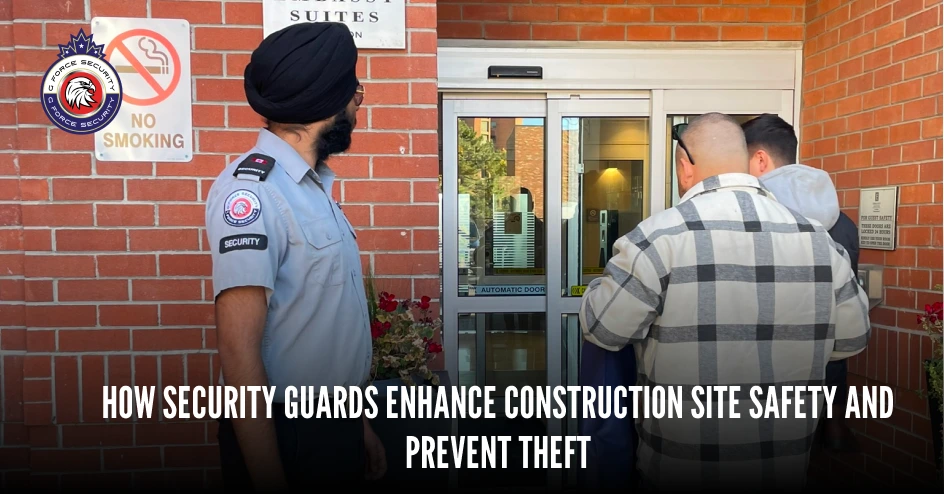
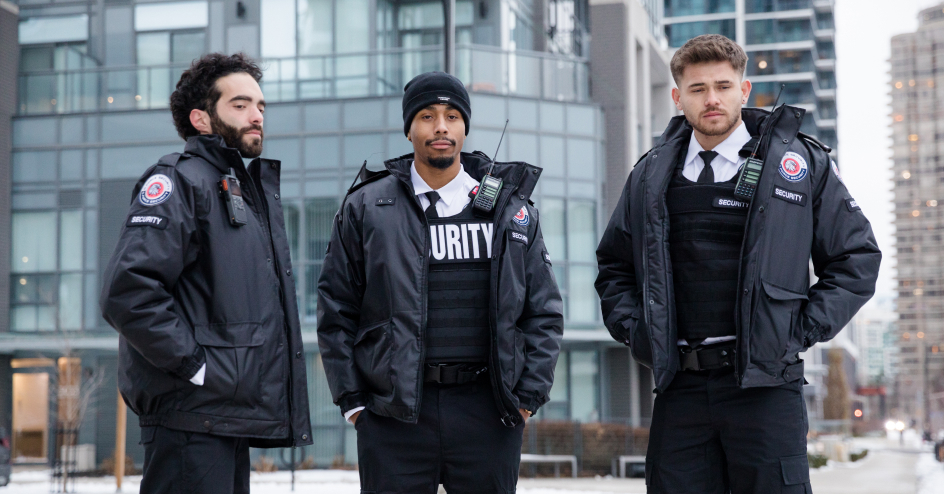
Construction sites are dynamic environments filled with valuable equipment, building materials, and personnel. This combination makes them vulnerable to theft, vandalism, and unauthorized access. In these situations, construction site security guards are critical, acting not only as deterrents but also as proactive protectors. Their role extends beyond merely monitoring; they create a controlled environment that ensures safety, protects assets, and supports project timelines.
Boost safety today with construction site security to prevent theft and protect assets.
Across Canada, cities like Toronto, Vancouver, Calgary, and Montreal witness thousands of construction projects annually. These projects range from high-rise condominiums to large commercial complexes. Each project has unique security risks: expensive machinery, fuel storage, and temporary materials are constant targets for theft. By employing construction site security services from G Force Security, companies can reduce theft, enforce safety compliance, and maintain a secure environment for both workers and visitors.
While security guards are essential for property protection, they also enhance overall site safety. From ensuring proper use of personal protective equipment to managing emergencies, their presence minimizes accidents and promotes a culture of safety. In essence, construction site safety and theft prevention go hand in hand, and trained security personnel provide both.
Understanding the Risks at Construction Sites
Construction sites face a variety of security threats that, if unaddressed, can result in financial losses, project delays, and legal complications. One major risk is equipment theft, which can include power tools, scaffolding, and heavy machinery. According to Canadian construction industry reports, stolen construction equipment causes millions of dollars in losses annually. Security guards act as a visible deterrent while also monitoring these assets through security patrols on construction sites.
Protect every project using on-site security guards trained for emergencies and patrols.
Another common issue is unauthorized access. Trespassers can enter sites, putting themselves at risk and potentially causing damage or theft. By implementing construction site access control and controlled entry points, security guards ensure that only authorized personnel enter the premises. For example, many Toronto construction projects now require guards to check ID badges and maintain visitor logs to prevent unauthorized entry.
Construction sites are also vulnerable to vandalism and property damage. Graffiti, equipment tampering, and structural damage not only cost money but can delay project timelines. Security patrol monitoring combined with modern surveillance technology can prevent such incidents. Guards conducting routine inspections during both day and night shifts detect suspicious behavior early, ensuring swift response and minimal disruption.
Core Duties of Construction Site Security Guards
Security guards on construction sites perform a wide range of duties, combining vigilance with proactive intervention. One of their primary responsibilities is perimeter security systems management. Guards routinely check fences, gates, and access points, ensuring they remain secure. Regular patrols help identify weaknesses in the perimeter before they are exploited.
Strengthen night defense with mobile patrol services for 24/7 monitoring of your site.
Construction access control is another critical duty. Guards verify credentials, manage deliveries, and monitor visitor activity. By enforcing access protocols, they prevent unauthorized personnel from entering high-risk areas. This is particularly important in sites storing expensive materials or sensitive equipment. Guards also maintain records of daily activity, which can assist in investigations if incidents occur.
Additionally, guards handle emergency response and site safety enforcement. Whether it’s responding to fire alarms, accidents, or safety violations, trained guards are prepared to act quickly. In Vancouver, for instance, several residential tower projects have implemented emergency protocols led by on-site security, ensuring rapid evacuation and minimal risk during incidents. These actions not only protect assets but also safeguard workers and visitors.
Theft Prevention Strategies on Construction Sites
One of the most pressing challenges for construction projects is construction theft prevention. Security guards employ several strategies to mitigate these risks. First, visible presence is key: when guards patrol sites regularly, potential thieves are less likely to attempt theft. Mobile security patrol construction sites provide flexibility, covering larger areas efficiently.
Control access efficiently through access control security ensuring only authorized personnel enter.
Second, equipment and material tracking ensures accountability. Guards coordinate with site managers to log inventory and track movement of tools, machinery, and supplies. Advanced systems, including RFID tags and GPS tracking, help monitor high-value items in real-time.
Third, site surveillance integration enhances security. Guards work alongside CCTV cameras, motion sensors, and lighting systems to monitor all areas effectively. In Calgary, commercial construction sites often use a combination of patrols and CCTV, ensuring even remote or less visible sections remain under observation. This layered approach significantly reduces the risk of theft.
Enhancing Site Safety Alongside Security
Construction site guards are not only focused on preventing theft—they also maintain construction site safety. Guards enforce safety protocols, ensuring workers follow occupational health guidelines. They monitor areas for potential hazards, such as unsecured scaffolding or exposed electrical components, and report these issues immediately.
Enhance risk management with 24/7 site security for continuous surveillance and rapid response.
In addition, guards assist with construction site risk management. By identifying unsafe conditions, they prevent accidents before they occur. This proactive role reduces worker injuries and insurance claims. For instance, in Montreal, high-rise construction sites employ security guards to monitor areas at height, ensuring safety lines and equipment are correctly used.
Guards also play a critical role in emergency preparedness. From coordinating fire drills to responding to medical emergencies, their training ensures that workers and visitors are protected. Through these measures, construction site safety and theft prevention are handled simultaneously, creating a secure and compliant work environment.
Controlled Access and Perimeter Security
Effective construction site access control is essential for maintaining both security and safety. Guards verify employee credentials, manage deliveries, and ensure visitors comply with site protocols. By restricting access to authorized personnel, they prevent theft, vandalism, and unauthorized work.
Perimeter security involves both physical barriers and human oversight. Guards patrol fences, gates, and surrounding areas, identifying breaches or suspicious activity. Many Canadian construction sites now integrate digital access logs with physical security measures, allowing real-time monitoring of entry and exit points.
Furthermore, site access monitoring security helps prevent accidents caused by untrained personnel entering restricted zones. Guards ensure that only those trained for specific tasks are allowed in areas with heavy machinery or dangerous materials. This dual focus on safety and theft prevention is a hallmark of effective construction security.
Nighttime Security and 24/7 Protection
Construction sites are particularly vulnerable outside of regular work hours. 24/7 construction site security ensures that theft and unauthorized access are minimized. Security guards conduct night patrols, checking equipment, materials, and site infrastructure for potential threats.
In Toronto, for example, several residential development projects utilize round-the-clock mobile patrols and stationary guard posts. Guards use flashlights, communication devices, and security cameras to maintain oversight of the site. Their presence acts as a deterrent while also allowing rapid response to incidents such as trespassing or equipment tampering.
Nighttime guards also perform safety inspections. By checking lighting, fencing, and other protective measures, they prevent accidents caused by poor visibility or compromised site conditions. This ensures that construction site safety and theft prevention continue even after the workday ends.
Temporary Site Security for High-Risk Projects
Some construction projects are particularly high-risk, such as commercial developments in urban centers or sites storing highly valuable equipment. In these cases, temporary site security is employed. Guards can be added during periods of increased risk, such as material deliveries or holidays, when theft is more likely.
Temporary guards also support construction security management. They reinforce existing protocols, conduct extra patrols, and monitor sensitive areas. For example, in Vancouver, commercial construction sites often hire additional security during peak holiday seasons to protect materials from opportunistic theft.
Integrate tech and expertise using security consulting planning to reduce theft and hazards.
Additionally, temporary personnel help with construction site risk assessments. By analyzing vulnerabilities and recommending adjustments to access control, surveillance, or staffing levels, they provide flexible, responsive security solutions.
Integration with Technology and Security Systems
Modern construction security combines human oversight with technology. Guards work alongside perimeter security systems, CCTV, motion detectors, and alarm systems to create a multi-layered defense. Integration of technology allows construction site monitoring to be more effective, covering larger areas with fewer blind spots.
Security guard protocols construction site often include real-time reporting through mobile devices. Guards can alert management immediately about potential breaches, suspicious activity, or safety hazards. In Calgary and Montreal, projects utilize digital platforms where guards update logs, coordinate patrols, and report incidents efficiently.
Furthermore, combining technology with physical security reduces response times. Alarm triggers, motion detection, and camera footage allow guards to respond quickly, preventing minor incidents from escalating into serious theft or damage.
Best Practices for Construction Site Security
Construction companies benefit from adopting construction security best practices. First, consistent staffing ensures continuous oversight. Rotation of security patrol monitoring helps cover all areas without leaving gaps.
Second, combining access control with construction site surveillance ensures that both people and assets are monitored at all times. Logs, badge systems, and digital monitoring increase accountability and reduce the risk of theft.
Third, guards should maintain open communication with site managers. Regular updates, safety reports, and incident documentation allow management to make informed decisions about security and safety measures. This integrated approach is critical for minimizing risks and maintaining productivity.
Canadian Construction Site Security Examples
In Toronto, residential high-rise projects often employ guards to manage gate access, monitor delivery areas, and perform nighttime patrols. These guards ensure that expensive materials, such as glass panels or HVAC equipment, are secure and that workers follow safety protocols.
Keep workers safe with professional security services that safeguard equipment and timelines.
In Vancouver, commercial construction sites rely heavily on mobile security patrol construction sites. Guards move between multiple buildings, checking fences, scaffolding, and equipment storage areas. By combining patrols with CCTV monitoring, they create a comprehensive security solution.
Calgary construction projects often implement construction access control measures, with guards checking IDs, monitoring visitor entry, and coordinating with law enforcement when needed. This helps maintain both security and compliance with safety standards.
Conclusion
Effective construction site security is lcreating a safe, controlled environment that protects people, assets, and project timelines. Construction site security guards play a critical role in monitoring, access control, theft prevention, and emergency response. By combining construction site surveillance, mobile patrols, and modern security technology, these guards ensure that projects proceed efficiently and safely.
Canadian construction projects, whether in Toronto, Vancouver, or Calgary, benefit immensely from professional security services. From daytime oversight to 24/7 construction site security, guards safeguard assets, enforce safety standards, and provide peace of mind for contractors and developers alike.
Investing in trained construction security services from a trusted company like G Force Security is an investment in both safety and success. By implementing best practices, leveraging technology, and maintaining a visible security presence, construction companies can significantly reduce risks, protect their assets, and ensure that every project is completed safely and on schedule.
Unlock the Buzz! Click for breaking news, exclusives, and pure inspiration.
Other Blogs
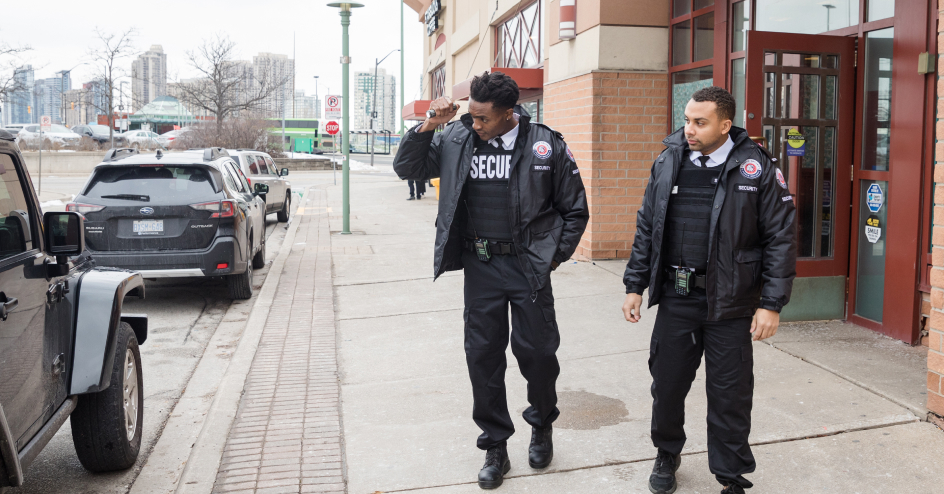
- G Force Security®
- G Force Security®
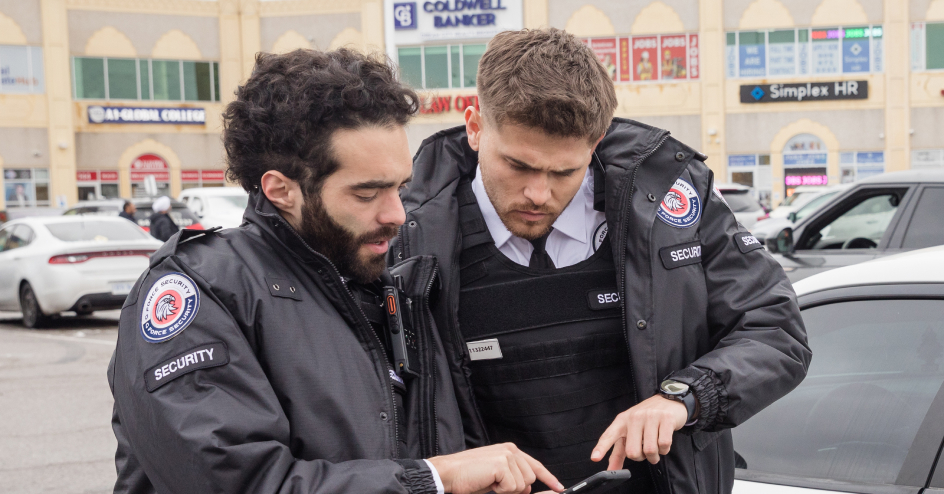
- G Force Security®
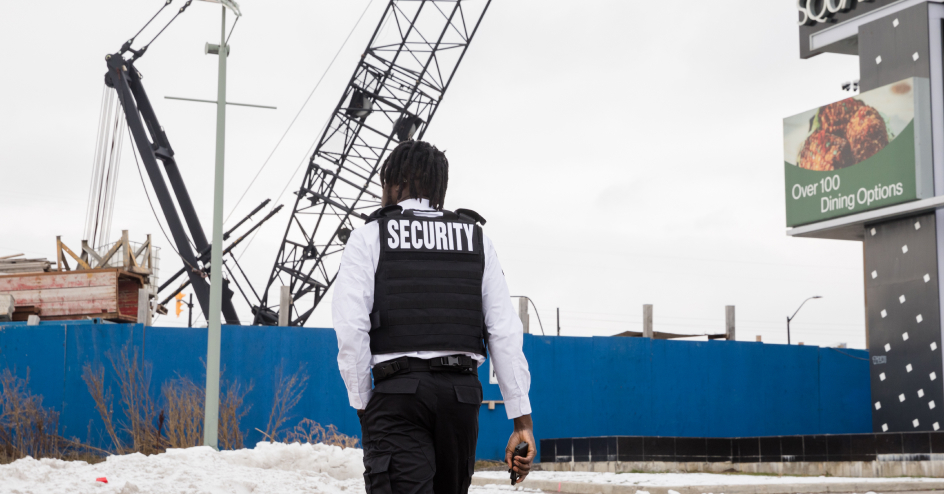
- G Force Security®

- G Force Security®
- G Force Security®