
Table of contents

Wealth takes years to build, but it can disappear quickly if risks are not managed well. Lawsuits, creditor claims, or unexpected legal disputes can threaten personal savings, property, and business investments. Because of this, asset protection should never be an afterthought. It works best when it is planned early and built into the way assets are owned and managed.
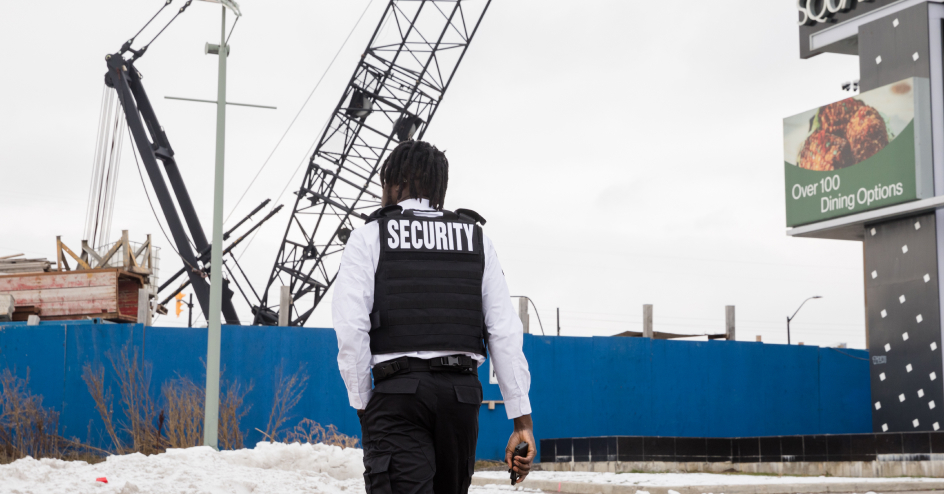
For many industries, especially construction, asset protection also connects closely with construction site security. Construction projects hold valuable equipment, materials, and financial investments. Protecting both physical assets and financial wealth requires planning, smart ownership structures, and modern security systems.
Why Asset Protection Matters for Construction Businesses
Construction companies manage high-value projects every day. Machinery, vehicles, raw materials, and unfinished structures can represent large financial investments. If something goes wrong, legal claims or theft can cause serious financial loss.
This is where a clear construction project security strategy becomes important. Protecting assets involves both financial planning and physical protection of project sites.
A contractor who invests in strong planning not only protects wealth but also protects project timelines and worker safety.
Insurance: The First Layer of Asset Protection
Insurance is often the starting point of a solid asset protection plan. Basic policies such as general liability, property coverage, and professional liability provide protection against common risks.
Many businesses also rely on umbrella insurance policies. These extend liability coverage beyond standard limits. When large lawsuits appear, this additional layer of protection can prevent serious financial damage.
For construction companies, insurance works alongside construction site compliance security measures to reduce risk exposure.
Separating Personal and Business Assets
One of the most effective strategies for protecting wealth is separating personal and business finances. Many entrepreneurs form corporations or Limited Liability Companies (LLCs) for this reason.
When structured correctly, these legal entities create a barrier between business liabilities and personal assets. If a lawsuit targets the company, personal property such as a home or personal savings may remain protected.
This legal separation is widely used in industries that carry higher risk, including construction and real estate development.
Trust Structures for Long-Term Protection
Trusts are another important strategy in asset protection planning. In particular, irrevocable trusts can hold assets independently from personal ownership.
Once assets are transferred into a properly structured trust, they may no longer be considered part of the owner’s personal estate. This makes it significantly harder for creditors to claim those assets.
Trust planning must be done carefully and early. Once a legal dispute begins, asset transfers may be challenged by courts.
Protecting Equipment and Physical Assets
For construction companies, wealth is not limited to bank accounts. Expensive machinery, building materials, and tools are also valuable assets.
This is why construction site security planning plays a key role in protecting financial investments.
Modern projects rely on:
- Advanced surveillance for construction
- Access control systems
- Monitoring technology
to protect sites from theft and vandalism. Equipment theft alone costs the industry millions every year.
By protecting the job site, businesses also protect the capital invested in the project.
Construction Site Risk Assessment and Security Planning
Before installing cameras or security systems, many companies start with a construction site risk assessment. This process identifies potential threats such as weak fencing, poor lighting, isolated storage areas, or easy entry points.
Once these risks are identified, teams can develop construction site security planning that includes fencing, lighting, controlled entry points, and camera monitoring.
Security planning also supports regulatory requirements and helps maintain construction site compliance security standards.
Technology Is Transforming Construction Security
Security technology has improved significantly in recent years. Construction sites now use integrated construction security systems that combine cameras, sensors, alarms, and remote monitoring.
One of the biggest changes is the rise of AI-based construction monitoring. These systems analyze video footage in real time and detect unusual activity automatically. If someone enters a restricted area or moves equipment outside working hours, alerts can be sent instantly.
Many projects also use remote security for construction sites, where monitoring centers watch sites overnight. This reduces the risk of theft when sites are empty.
Companies often work with specialists who provide security technology consulting Ontario to design systems that match project size, risk level, and budget.
Protecting Real Estate and Equity
Real estate assets can represent a large portion of a person’s wealth. Developers and investors often protect property through financial structuring.
- Reducing visible equity: Financing strategies make property appear to have less accessible equity, deterring creditors.
- Legal entities: Placing properties inside partnerships or companies creates a legal layer between ownership and risk.
For construction firms, these methods complement high-value asset protection strategies that protect both physical and financial investments.
Offshore Planning for High-Net-Worth Investors
Some investors use offshore legal structures as an additional layer of asset protection. Foreign trusts or companies in certain jurisdictions may offer stronger protections against creditor claims.
These strategies are typically used by individuals with very large asset portfolios and must follow strict legal and tax regulations. Professional guidance is essential when considering international asset protection planning.
Why Early Planning Is Critical
One of the most important rules in asset protection is timing. Strategies must be established before legal threats appear.
Moving assets after a lawsuit begins may be considered fraudulent transfer, and courts can reverse those transfers and impose penalties.
Early planning creates stronger protection and avoids legal complications later.
The Future of Asset Protection in Construction
Construction companies today face both financial and physical risks. Protecting assets requires more than one solution.
A strong strategy combines:
- Legal structures
- Insurance coverage
- Financial planning
- Modern construction site security systems
When these elements work together, businesses protect their wealth, their equipment, and the success of their projects.
Asset protection is not about avoiding responsibility. It is about preparing for uncertainty and building long-term financial stability.
Frequently Asked Questions
What is asset protection?
Asset protection is a legal planning strategy used to protect personal or business assets from lawsuits, creditor claims, or unexpected liabilities. It involves organizing ownership through tools like trusts, LLCs, and insurance so wealth remains protected while staying within legal and tax rules.
Key Aspects of Asset Protection:
- Goal: Reduce the chances of creditors seizing assets by separating ownership and liability.
- Common Methods:
- Asset Protection Trusts: Domestic or offshore trusts for beneficiary protection.
- Business Entities: LLCs or corporations separate personal assets from business risks.
- Insurance Coverage: Liability, malpractice, or umbrella insurance for financial claims.
- Legal Exemptions: Retirement accounts or homestead exemptions.
- Timing: Strategies must be set up before legal claims arise.
Why is construction site security important for asset protection?
Construction site security protects valuable equipment, materials, and tools from theft, vandalism, and damage.
Key reasons:
- Asset Protection: Prevents theft of costly machinery and materials.
- Reduced Project Delays: Avoids disruptions from vandalism or stolen equipment.
- Safety & Liability Control: Limits unauthorized entry, reducing accidents and legal issues.
- Regulatory Compliance: Supports safety standards and proves proper site management.
- Threat Prevention: Guards, cameras, and monitoring systems deter criminal activity.
Using fencing, surveillance cameras, and trained security personnel keeps construction sites safe, organized, and productive.
What is construction site risk assessment?
A construction site risk assessment identifies hazards, evaluates potential risks, and implements safety measures to protect workers, equipment, and the public.
Key Steps:
- Identify hazards: Falls, electrical risks, heavy machinery, hazardous materials.
- Determine who may be affected: Workers, contractors, visitors, pedestrians.
- Evaluate risks & apply controls: Safety gear, training, barriers, warning signs.
- Document findings: Records required by safety regulations.
- Review regularly: Update assessments as conditions, equipment, or construction phases change.
Common Hazards:
- Falls from scaffolding or ladders
- Electrical hazards
- Excavation or trench collapses
- Falling tools or materials
- Harsh weather conditions
How does AI help construction site security?
AI enhances construction site security using smart cameras and automated monitoring, helping detect threats early and improve worker safety.
AI Benefits:
- Detects intruders or suspicious activity
- Monitors PPE compliance (helmets, safety vests)
- Identifies dangerous situations near machinery or restricted zones
- Uses data to predict risks before incidents
- Tracks authorized workers via smart access systems
AI transforms security into a proactive system that prevents problems before they occur.
What are integrated construction security systems?
Integrated systems combine cameras, alarms, access control, and AI into a single platform to protect sites from theft, vandalism, and safety risks.
Key Features:
- AI Video Surveillance: Detects intruders, reduces false alarms
- Access Control: Tracks entry with badges, gates, or mobile systems
- Intrusion Alerts: Motion sensors trigger alarms and notifications
- Remote Monitoring: Off-site teams can intervene with audio warnings
- Unified Dashboard: Centralized situational awareness
Benefits: Faster responses, cost efficiency, scalable protection, and enhanced safety compliance.
Stay updated with expert security tips and insights from G Force Security.
Other Blogs
- G Force Security®
- G Force Security®

- G Force Security®

- G Force Security®

- G Force Security®

- G Force Security®