
Table of contents
Child safety matters to everyone. A safe childhood should not be a wish—it should be real. But harsh truths exist: some children face neglect, abuse, or danger where they should feel safe.
In most places, organizations like Child Protective Services (CPS) work to protect children and intervene when abuse or neglect happens. Yet, there’s another layer of protection often overlooked: private security trained to support child welfare and safety.
In this blog, we explain in everyday language how child protection systems work and how private security services can help, keeping it simple, clear, and focused on real impact.
What Child Protective Services Do
When someone sees signs of harm—like a child being hurt or living in unsafe conditions—they can reach out to child protective services (CPS). CPS is often part of government or community safety agencies and ensures reports of abuse or neglect are properly investigated.
CPS Investigations
A core job of CPS is to investigate. When a report of abuse or neglect comes in, investigators:
- Speak with the child, parents, and sometimes teachers or doctors
- Assess safety
- Decide if the child is truly at risk
Investigations can be sensitive and emotional. Some reports are confirmed, others are not. In some cases, CPS provides support services to help the family stay safe. In serious situations, children may be placed in foster care or with relatives to protect them.
Foster Care and Family Support
If it’s unsafe for a child to stay at home, foster care protection becomes important. This means the child lives temporarily in a safe home while professionals help the family address issues. CPS also offers:
- Counseling services
- Parenting support
- Referrals for health needs
Reporting Neglect and Abuse
It’s important for people to know how to report neglect. Reporting is often the first step in protecting a vulnerable child. Neglect includes:
- Not providing food, shelter, or supervision
- Failing to provide medical care
Neglect is common in many CPS cases.
Why Child Protection Is Hard Work
Child safety systems do a lot but face challenges:
- Many agencies are understaffed
- Caseworkers handle high caseloads
- Communication gaps between agencies
- Limited resources to follow up quickly
When child welfare professionals work with partners like law enforcement or trained support personnel, the protection net around children becomes stronger.
Where Private Security Fits In
You might wonder: What does private security have to do with protecting children?
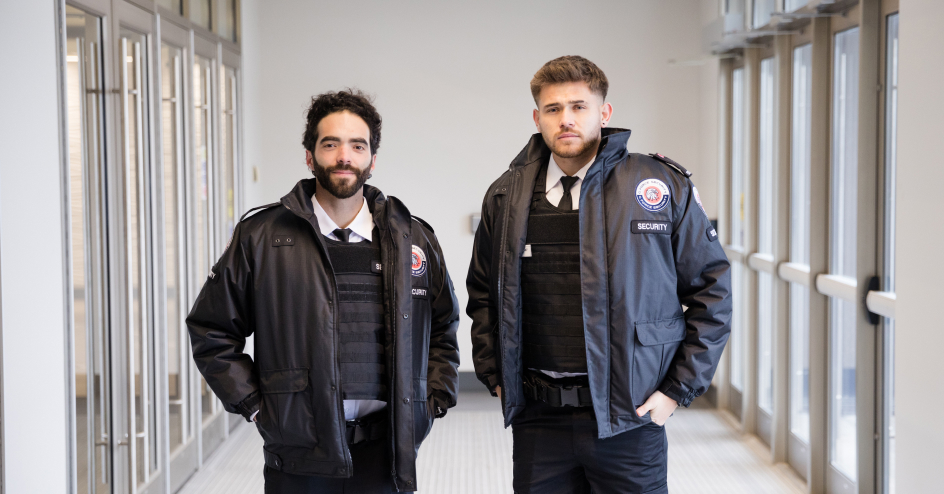
Private security is no longer just guards at doors. Trained security professionals increasingly support safety in places where children live, learn, or receive services. They bridge critical gaps between child welfare agencies and everyday safety needs.
Protection Inside Care and Youth Facilities
In residential care homes, group homes, shelters, or other places where vulnerable children stay, private security can help create a safe environment.
- Security personnel trained in child safety monitoring spot signs of danger, conflict, or unusual behavior
- They work with care staff to keep children safe day and night
Security in High‑Risk Child Supervision
Some children are at higher risk due to past trauma or unsafe home conditions. Security teams can:
- Monitor activity
- Report unusual concerns to supervisors
- Help enforce safety protocols
They provide an extra layer of trained adults watching for signs of trouble.
Helping With Safe Transport and Escorts
Children can be vulnerable during transit to school, therapy, medical appointments, or court visits. Private security teams provide:
- Careful escort services
- Safe travel to destinations
- Reduced risk of incidents in transit
Liaison With Child Welfare and Law Enforcement
Private security often acts as a communication bridge between:
- Child welfare agencies
- Law enforcement
- Medical professionals
- Family support teams
In crisis moments, trained eyes and immediate reporting speed up response times.
Reporting and Documentation
Security personnel trained in child protection awareness:
- Document what they see
- Gather reports for CPS or law enforcement
- Ensure investigations have clear, actionable information
Good documentation can make a real difference in protecting children.
It Takes a Village: Working Together for Child Safety
Child protection is never the work of a single group. CPS, families, schools, communities, and trained support professionals all play a role.
When private security teams join that circle:
- They expand the safety net
- Support, notice, report, and respond when children might be in danger
Collaboration matters because abuse and neglect are often hidden, and children may suffer quietly. More trained people looking out for safety increases chances to stop harm before it escalates.
Final Thought
Protecting youth is a shared responsibility. CPS works hard to investigate abuse, support families, and protect children.
When private security joins the effort, trained in child awareness and safety, it strengthens that protection.
Children deserve safety, care, and the chance to grow up without fear. Effective systems—from neglect reporting to foster care protection to trained security at youth services—bring us closer to that goal.
Questions People Often Ask
What exactly does CPS investigate?
CPS investigates reports of child abuse, neglect, or endangerment to ensure a child’s safety.
Key Areas of Focus:
- Neglect: Lack of food, shelter, clothing, or medical care
- Physical or Sexual Abuse: Harm or exposure to danger
- Environmental Hazards: Unsafe living conditions
- Parental Capacity: Ability to provide a safe, supportive environment
Investigation Process:
- Interviews with parents, children, teachers, or doctors
- Home visits to check living conditions
- Evidence review to determine if abuse or neglect occurred
- Outcome: Support services for families or removal of the child in severe cases
Can private security stop abuse on its own?
Private security plays an important role in prevention and response, but cannot replace law enforcement.
What Private Security Can Do:
- Deterrence: Visible presence discourages offenders
- Citizen’s Arrest: Detain serious offenders until police arrive
- Remove Trespassers: Ask individuals to leave private property
- Self-Defence / Protect Others: Intervene if someone is in immediate danger
- Observe and Report: Monitor situations and report to authorities
Limitations of Private Security:
- No police authority
- Limited intervention policies (“observe and report”)
- Must witness crimes before legal action
- Risk of legal consequences if excessive force is used
Private security works most effectively supporting police, monitoring property, controlling access, and de-escalating situations.
Do private security teams need special child protection training?
Yes. Training goes beyond standard security work:
- Recognize signs of abuse
- Understand reporting rules
- Support children respectfully
Is child safety monitoring part of regular security work?
Not always. Traditional security focuses on physical property. Child safety monitoring involves:
- Knowing signs of harm
- Understanding child distress behaviors
- Reporting concerns to the right professionals
How does reporting neglect help?
Reporting neglect is essential to protect vulnerable children.
Key Benefits:
- Initiates Protective Action: Allows CPS to investigate
- Ensures Safety and Intervention: Stops ongoing neglect
- Provides Family Support: Connects families to resources
- Protects Vulnerable Individuals: Safeguards at-risk children
- Encourages Early Intervention: Prevents long-term physical and emotional harm
Reporting neglect is about ensuring safety, not blaming families. It ensures children receive the help they need when they need it.
Stay updated with expert security tips and insights from G Force Security.
Other Blogs
- G Force Security®
- G Force Security®
- G Force Security®
- G Force Security®
- G Force Security®
- G Force Security®